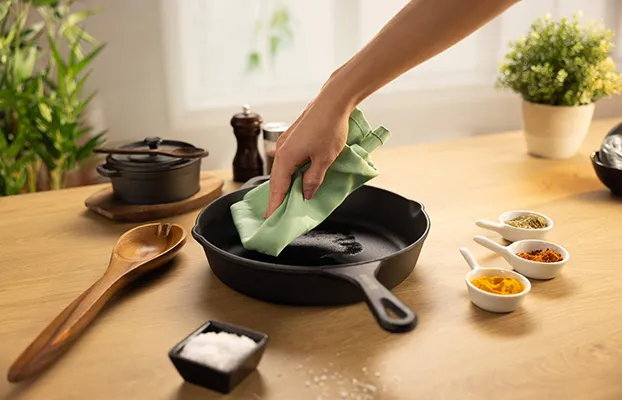
Cast iron can endure for generations. When it’s cared for properly, it can last for decades, boost flavor and make everyday cooking more enjoyable. It’s tough, versatile, and develops a natural non-stick patina. However, if you’re new to using cast iron and you’re unsure how to season a cast iron skillet, we’ve got you! This guide covers practical steps to season cast iron and how to clean a cast iron skillet. You'll see reallife examples like searing a weeknight steak or baking cornbread on a lazy Sunday. The goal is simple: keep your skillet ready for whatever you cook next.
Why Cast Iron Care Matters
Benefits of Cast Iron Cookware
Cast iron cookware isn’t just nostalgia; it’s built to last, especially when you follow the proper instructions on how to clean it. Other than its durability, cast iron heats evenly and retains heat. With time, its seasoned surface improves browning and flavor. The patina is a natural layer you can count on after a few wellchosen seasons. Each time you cook with your skillet, meals just seem to taste better. This isn’t just something you’re imagining; it’s a deeper flavor that comes from steady care. In many homes, cast iron’s durability shines during busy weeks. A welltended skillet can go from stovetop to oven, handling everything from pancakes to crispy chicken. Since cast iron pans are tolerant of high heat, you can finish dishes under broiler heat or keep it hot on the stove for a long simmer. By using your pan regularly, you’ll get into a familiar rhythm: seasoning the skillet before the big meals, gently cleaning and re-seasoning it afterward. If you’re curious about how to treat cast iron cookware, this approach blends well with everyday cooking.
How to Clean a Cast Iron Skillet
Basic Cleaning After Everyday Use
Need a little help on how to wash a cast iron skillet? Here’s our step-by-step guide:
- After cooking, rinse your skillet with warm water to loosen food particles. Avoid aggressive detergents that strip seasoning unless necessary. If you’re unsure about soap usage, know that many cooks skip it for regular cleaning, viewing it as something optional.
- Use a softbristled brush or a nonmetal scrub pad.
- Towel dry promptly, then place the pan on a warm burner for a minute to evaporate any lingering moisture.
- A light, even oil wipe afterward helps maintain that protective layer without leaving a slick film.
- Store your pan in a dry place, ideally with a light air gap to avoid moisture buildup.
Cleaning Stubborn Residue & Food Stuck On
- For stubborn residue, start by sprinkling coarse salt and rubbing with a cloth or sponge to lift residue without stripping seasoning.
- If food is clingy, use a plastic scraper for safe removal.
- For tougher cases, a brief boiling water treatment helps loosen stuck bits of food while respecting the patina.
Rinse and dry, then apply a thin layer of oil to condition the surface. This preserves the seasoning while removing tough leftovers. Be patient, as forcefully cleaning the pan can wear down the patina. Remember to follow the correct instructions when it comes to how to clean a cast iron frying pan.
Rust Removal & Restoration
Rust isn’t the end of the world, but it still requires steps to restore your pan’s performance. So, how do you remove rust from cast iron cookware?
A gentle vinegar soak can dissolve light rust but keep an eye on it closely so you don’t strip seasoning entirely.
Baking soda is a gentle abrasive that can help with surface rust but requires a lot of rinsing.
Steel wool is another option for heavier rust, yet you’ll want to reseason the pan afterward to rebuild that protective layer.
After removing rust, a thorough rinse, dry, and seasoning pass is essential to prevent a repeat issue. The goal is to return the surface to a smooth, evenly seasoned state that browns well and releases with minimal sticking.
Here’s a quick comparison to help you pick the best method on how to remove rust from cast iron cookware with confidence.
| Method | Pros | Cons | Best for |
| Vinegar soak | Quick rust removal; inexpensive | Can strip seasoning; may soften enamel on seasoned surfaces | Light rust, quick refresh |
| Baking soda paste | Gentle abrasive action | Requires thorough rinsing; not for heavy rust | Surface rust, mild refinishing |
| Steel wool | Effective on heavy rust | Necessitates a full reseasoning afterward | Heavily rusted pans |
What is Seasoning
Caring for seasoning is an essential part of how to treat cast iron cookware. Seasoning is a bakedon oil layer that protects the iron. It al gives it a nonsticklike surface that improves with use over time. It isn’t a coating like Teflon; it’s a natural polymerized layer that is formed with heat and fat. Seasoning also tends to improve flavor by building a stable, wellburnished surface that conducts heat smoothly. You’ll hear many home cooks describe seasoning as an ongoing relationship with their pan, one that deepens as you cook more meals. This layer isn’t permanent, though, as it needs periodic maintenance to stay robust. That’s why many kitchens settle into a rhythm of cleaning, oiling, and occasionally reseasoning it.
Step-by-Step Guide to Seasoning a Cast Iron Skillet
Seasoning is a simple process, but it is worth doing thoughtfully. If you’re wondering how to season a cast iron skillet, here’s our step-by-step guide:
- Wash and dry the skillet completely.
- Apply a very thin, even layer of highsmokepoint oil to the entire surface. Apply it both inside and out, wiping away any excess.
- Bake the pan in a preheated oven at 450-500°F for about an hour, then turn off the oven and let it cool inside.
If the surface still feels tacky, you can repeat the oiling and heating once more. This routine for how to season cast iron tends to produce a durable, smooth patina over time. Some cooks choose different oils or start with flaxseed oil for a hard patina, while others prefer neutral oils for a slower buildup. Either approach can work, and you may notice it takes a few cycles to see the full difference. If your skillet is new, you’ll probably season it once and then use it in ordinary cooking to accelerate the seasoning naturally. Seasonal care—especially after baking or roasting—tends to yield the best results. So, consider trying your seasoning routine to the cadence of your cooking schedule.
Common Mistakes to Avoid
Even seasoned cooks can slip into a few traps, here’s a few mistakes to avoid:
- Using soap daily: Soap can be used sparingly but avoid daily use.
- Overwashing: This can strip seasoning, leaving you with more sticking and less flavor.
- Soaking pans in water: This is another frequent misstep as it invites rust and weakens the patina.
- Using oils with strong flavors or poor smoke points: Oils like this can create a sticky, unimpressive surface.
- Storing a warm, oiled pan in a humid cabinet: This invites moisture that counters the goal of a dry, readytouse surface.
Keeping these missteps in mind helps you keep your skillet dependable and ready for a wide range of meals.
Extra Care & Maintenance Tips
Storing Cast Iron Properly
Storing your cast iron properly is a small habit with big payoffs, here are a few tips to keep your cast iron pan healthy and happy:
- After cleaning, make sure the pan is completely dry.
- You can rub a light coating of oil on the exterior as well, to prevent rust on the unseen surfaces.
- Keep the skillet in a dry cabinet with a bit of airflow, so moisture doesn’t hang around.
- If you stack multiple pans, place a soft cloth or paper towel between them to protect the seasoning and avoid scratches.
These habits reduce rust and help your skillet stay ready for the next round of cooking. Proper storage is as important as proper seasoning and an essential part of your how to clean cast iron pots and pans routine.
Refreshing Seasoning Regularly
Regular seasoning blends habit with a touch of science, and it tends to reward consistency. A light maintenance coat after frequent cooking can prevent dullness and keep the surface slick. If you’re cooking more often, you might refresh the patina more frequently, perhaps every few months. If you use the pan sparingly, a deeper reseasoning every 6-12 months can be plenty.
Either way, the goal is to maintain that protective layer, so you get reliable browning and easy release every time. Trust the process, and your skillet will reward you with dependable results.
For a practical, repeatable care routine, you can pair these steps with reminders on how to wash and season cast iron skillet after each cooking session.
Frequently Asked Questions About Cast Iron Skillets
- How do you clean cast iron pots and pans?
Start with warm water and a soft brush after cooking. Avoid soaking for long periods and use a small amount of soap only if you’ve built up stubborn residue or you’re restoring a heavily grimed pan. Dry thoroughly, then apply a thin coat of oil to protect the surface. If you need to scrub, a salt scrub can lift stuckon bits without removing seasoning. Finally, heat the pan briefly on the stove to ensure it’s completely dry before storing.
- Can I use soap to wash a cast iron skillet?
You can, but most cooks reserve soap for rare situations because it can soften or remove a portion of the seasoning. If you do use soap, plan a quick reseasoning cycle afterward to restore the protective layer.
- How often should you season cast iron cookware?
Seasoning frequency depends on usage and cleaning habits. For frequent cooks, a light seasoning after each cleaning or a deeper reseasoning every 2-3 months can be enough. If you rarely use the pan, you might reseason every 6-12 months to maintain protection. Some meals that are particularly acidic can strip seasoning and prompt a quick refresh.
- How do you remove rust from a cast iron skillet?
Start with a careful assessment: light rust may respond to a vinegar soak or a salt scrub, while heavy rust might require steel wool and a thorough reseasoning. After rust removal, rinse, dry completely, and reseason the pan to rebuild the protective layer. If you choose vinegar, keep the soak brief to avoid overstripping seasoning.
- What is the best oil for seasoning cast iron?
Many cooks favor neutral, highsmokepoint oils like vegetable oil or canola oil for seasoning. Some enthusiasts use flaxseed oil for a harder patina, though it can be trickier to apply evenly. The important part is to use a thin, even layer and bake it onto the surface.
Conclusion
Cleaning and seasoning cast iron isn’t just maintenance: It’s an ongoing practice that pays you back in consistent performance and flavor. With thoughtful methods for how to clean a cast iron skillet and how to season a cast iron skillet, you can keep your pan reliable for generations. The trick is to stay mindful of moisture, apply oil thoughtfully, and season when it’s due. In time, your skillet will feel like a trusted kitchen partner that’s ready to sear, fry, bake, and slowcook with confidence. With proper care, this humble pan can be the centerpiece of many family dinners and a source of quiet pride for years to come.


