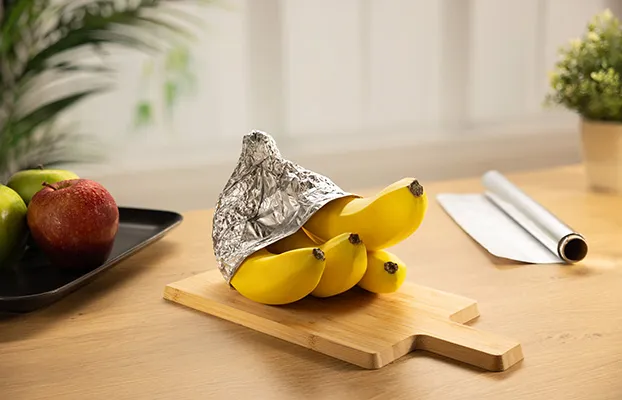
If you’re wondering how to preserve bananas or how to keep bananas fresh for longer, we’ve got offers practical, evidence-based storage tips you can actually use to stop your bananas from going bad before their time. After all, a banana at the right stage of ripeness can be a quick snack, a smoothie ingredient, or a baking star, and it doesn’t have to turn brown overnight.
If you’ve asked yourself, “How can you store bananas to extend their life?” these tips will help you pace your banana ripening and reduce waste.
Why Do Bananas Ripen So Quickly?
Bananas ripen through a natural process driven by ethylene gas, a plant hormone that bananas emit as they mature. This gas speeds up the breakdown of starches into sugars and softens the fruit, changing the peel color from green to sunny yellow and, eventually, to brown speckles. It’s a natural, dependable schedule that makes bananas wonderfully sweet when you’re ready for them, but it also makes things a bit tricky when you want to slow the ripening process down. Understanding how this works helps you tailor storage to your plans, whether you’ll eat them today or later in the week. For anyone asking how to keep bananas fresh for longer, this is a good starting point.
| Ripeness Stage | Peel Color | Approximate Shelf Life at Room Temperature |
| Green | Green, firm | 3–7 days |
| Yellow | Bright yellow with or without brown specks | 2–5 days |
| Brown-spotted | Brown speckled, very soft | 1–3 days |
How Can You Store Bananas at Room Temperature
Most bananas ripen at room temperature. So, if the goal is to pace that ripening speed so you don’t end up with a bunch that’s overripe before you’ve had a chance to enjoy it, you’ll want to consider temperature. Different kitchens have slightly different microclimates, where some have warmer windowsills, a cool counter, or a drafty pantry, so where you store your bananas can all affect ripening speed. A few simple adjustments can make a big difference. If you’re curious how to preserve bananas in a busy kitchen, these tips may help.
Keep Bananas Away from Other Fruits
Ethylene emitted by bananas can speed up ripening in nearby produce, so giving them space can help you control the process. You don’t want your apples to turn into applesauce a day earlier than planned. Here are a few strategies you might want to try:
- Avoid placing bananas directly next to fruit that’s sensitive to ethylene like apples, avocados, pears, peaches, or tomatoes.
- Maintain a small distance between ethylene-releasing fruits and those you want to slow down.
- Use a separate bowl or a banana hanger to reduce contact with other produce.
Use A Banana Hanger or Separate Them
Separating bananas from the rest of the fruit helps with ethylene management and also minimizes bruising. Hanging your bananas can help as air circulation can help keep them fresher for longer and also avoids other fruit from pressing down on them and bruising them. That’s also why they stay firmer for longer than when they are lying flat and being squashed. So, hanging bananas can play a big role in how to keep bananas fresh for longer in everyday kitchens.
How to Store Whole Bananas in the Fridge
Refrigeration is handy way to keep your bananas fresh when your bananas are already ripe and you want to slow things down. However, it isn’t an ideal storage method for unripe fruit, as it can cause the entire ripening process to stall in development and it may never reach peak sweetness. You may notice the peel will darken in the fridge, but the fruit inside can stay surprisingly fresh for a few days, which is useful if you’ve been saving bananas for smoothies or baking later in the week. Refrigeration can be a practical option for preserving ripe fruit for a little longer. Ideally, you’ll want to put whole bananas in with the peel on for this kind of storage.
Storing Peeled Bananas
Peeled bananas are a bit trickier to store, but you can manage them with a few careful steps. Place peeled bananas in an airtight container, and to slow browning, you can add a touch of lemon juice or ascorbic acid. Here’s a quick step-by-step guide on how to preserve peeled bananas for longer that you can keep handy:
- Peel the bananas and trim any dark spots.
- Lightly brush or rub the flesh with lemon juice (about 1 teaspoon per banana).
- Place in an airtight container or zip lock bag, removing as much air as possible.
- Seal well and refrigerate for up to 2–4 days.
How to Preserve Bananas for Even Longer Storage
When you want to reduce waste and keep your produce fresh for longer, freezing and drying are also preservation methods you might want to look into. The idea is to capture peak sweetness or the best texture for later use. Not every method works for every recipe, but with a little planning, you can still use your bananas in various recipes. If you’re curious how to preserve bananas and keep them fresh for even longer, you might want to try out a few of these methods.
Freezing Bananas
Freezing is a versatile way to keep bananas for a long time for smoothies, baking, or snacks. You can freeze them whole, sliced, or mashed, depending on what you plan to do with them later. Below is a quick comparison to help you pick the best approach for your kitchen routine. Labeling bags helps you keep track of what you pulled out of the freezer later on. If you’re exploring ways of how you can store bananas for longer-term use, freezing is a good option.
| Form | Best Use After Thawing | Shelf Life in Freezer |
| Whole | Smoothies, baked goods | 3–6 months |
| Sliced | Smoothies, quick breads | 2–3 months |
| Mashed | Soups, pancakes, muffins | 3–6 months |
Drying Bananas (Banana Chips)
Banana chips are a tasty way to preserve fruit without freezing. You can dry them in the oven at a low temperature or with a dehydrator, by slowly removing moisture until they’re crisp. If you’re making them at home, slice evenly and aim for uniform dryness as this helps prevent chewy patches. You can also buy dried banana chips, which make a quick snack option when you’re short on time. It’s not magic, just a little patience and steady heat. This is another method you can use to how to keep bananas fresh for longer in your pantry.
Extra Tips to Keep Bananas Fresh Longer
These quick, practical tips are the kind of things you can implement today:
- Wrap the stems in plastic wrap or aluminum foil to slow the release of ethylene at the source.
- Store unripe bunches in a paper bag to concentrate ethylene and gently speed ripening when you want it.
- Avoid refrigerating unripe bananas, which can stall ripening and affect texture.
- Keep bananas on the counter away from direct sunlight or heat sources to prevent premature softening.
Common Mistakes When Storing Bananas
Sometimes it’s the small missteps that derail your banana plan. Here are common mistakes to avoid:
- Refrigerating too early, which can halt ripening in the fruit you want to eat soon.
- Storing bananas in plastic bags, which traps moisture and can lead to mushy fruit.
- Keeping bananas with other ethylene-sensitive produce, which speeds up unwanted ripening.
- Ignoring bruised or overripe bananas, because they can still be used in baking or smoothies rather than wasted.
Frequently Asked Questions About Storing Bananas
- How can you store bananas without a fridge?
Choose green or just-ripe bananas and store them at room temperature away from heat.If you need to slow ripen them, place the bananas in a paper bag with a little air inside, which may help regulate moisture a bit.
- How do you store bananas once they are ripe?
If you’re not ready to eat your ripe bananas, you can refrigerate them. Although the peel may brown, the inside stays fresh for a few days.
- Can I freeze bananas to preserve them?
Yes. You can freeze peeled or unpeeled, sliced, or mashed bananas, depending on how you plan to use them. Frozen bananas are great for smoothies and baking; just make sure you know the texture will change after thawing, so you can plan how to use them better.
- What is the best way to store peeled bananas?
Use an airtight container and a touch of lemon juice to reduce browning. If you are planning to use the bananas in a smoothie, you can also skip the lemon and just freeze in the prepared portions.
- How do I keep bananas from turning brown too quickly?
You can slow browning in peeled bananas with lemon juice and minimize exposure to air by using airtight storage. With peeled bananas, you can hang them up to avoid bruising and damage that can cause them to brown faster.
Conclusion
You can make your bananas last longer and taste better with thoughtful storage. Whether you let them ripen on the counter, tuck them into the fridge for short-term freshness, or freeze them for later, there’s a banana preserving hack that meets your needs. The goal is simple: fewer bruises, less waste, and more tasty possibilities for breakfast, snacks, and baking. You’ve got this, one banana at a time.


